


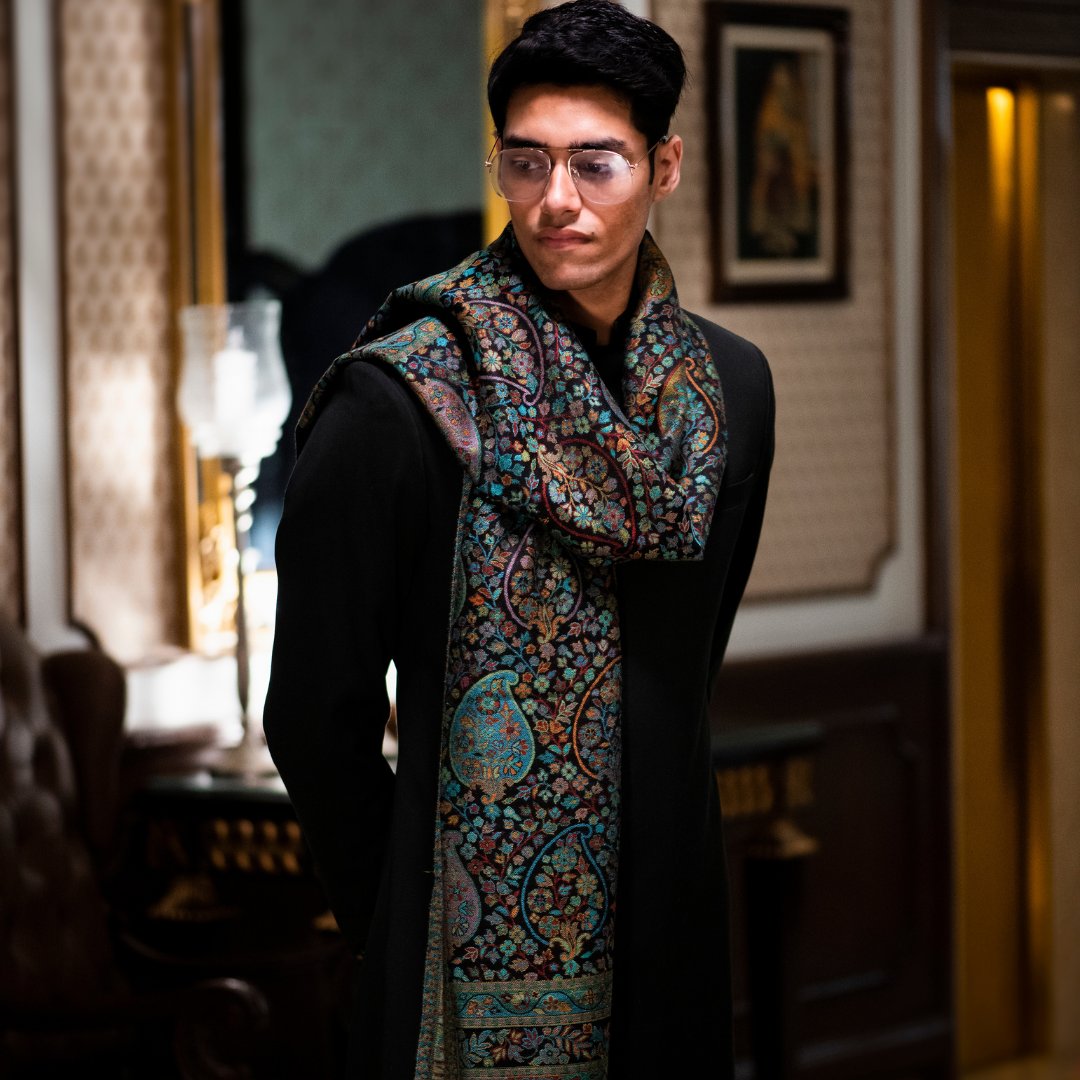
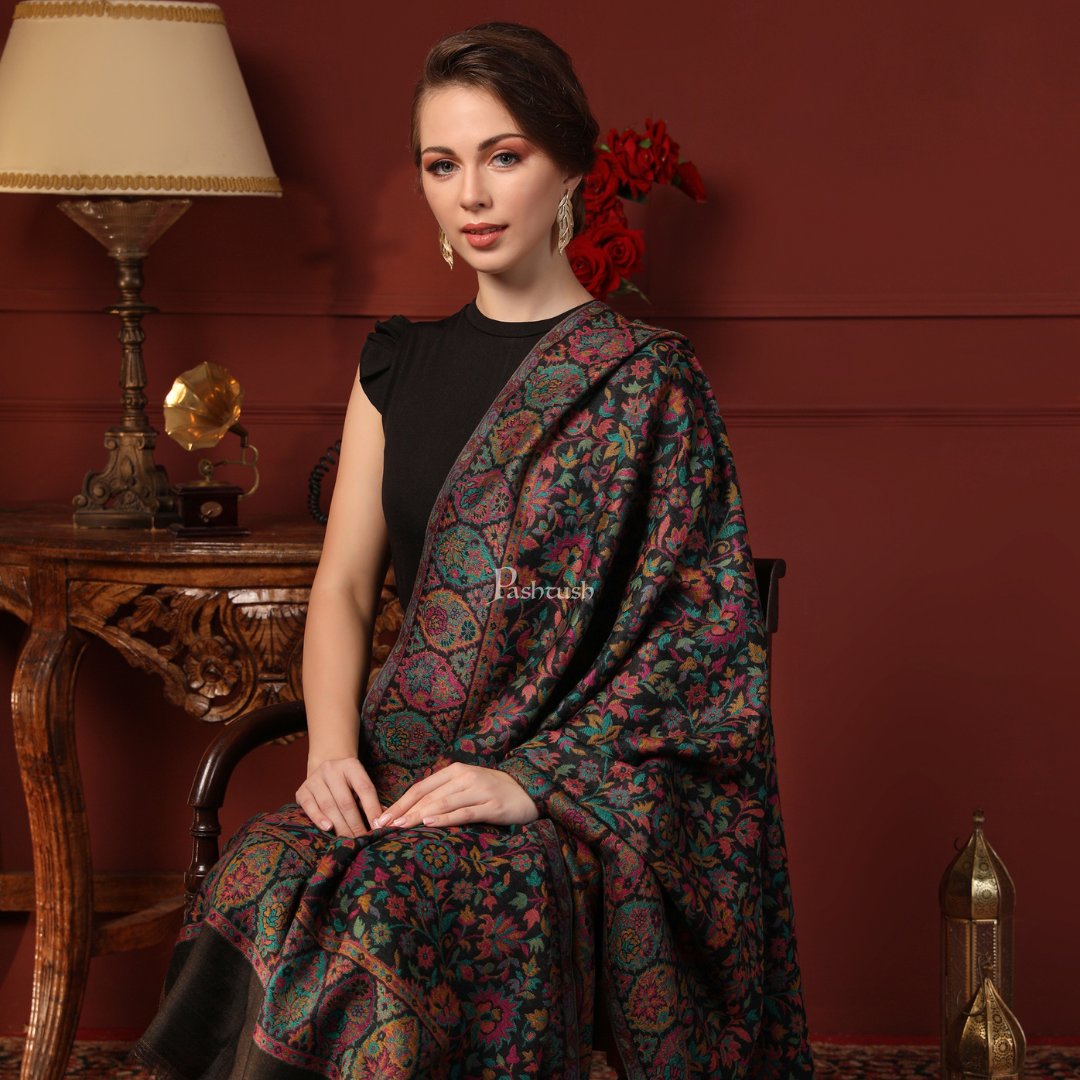

Perfect Partners:
Pashtush Journal • Museum-backed fibre heritage
Muslin and Cashmere — A Museum-Backed Legacy of Pashmina
When a museum as exacting as the Victoria and Albert Museum (V&A) places two textiles in the same frame, it is not a styling suggestion—it is cultural evidence. Muslin and cashmere are “perfect partners” because each completes what the other begins: one is the poetry of lightness, the other the poetry of warmth.
This editorial draws on the V&A’s scholarship to explain Pashmina shawl heritage with clarity and credibility, while grounding the story in contemporary Pure Pashmina examples from Pashtush.

Muslin: The Weightless Wonder of the Indian Subcontinent
Muslin earned its near-mythic reputation because it was not merely cloth—it was discipline made visible. Historically associated with the Indian subcontinent (and celebrated in Bengal for extraordinary fineness), muslin’s magic lies in how it behaves: it floats, it breathes, it lightens a silhouette without the stiffness of structure.
In the V&A’s telling, muslin shaped global taste precisely because it represented an ideal: refinement through restraint. Yet muslin also had a practical limitation—warmth. That limitation created the perfect opening for cashmere.

Cashmere: Fibre Born of Altitude, Harvested With Care
Cashmere begins where winters sharpen. It is the ultra-fine under-fleece of high-altitude goats, gathered gently during seasonal molting. Its signature is unmistakable: warmth without weight, softness without bulk, and a drape that feels natural rather than engineered.

In Kashmir, this fibre reached a cultural apex—hand-spun and woven into shawls that moved through courts and collections. Museum scholarship matters because it refuses vague claims; it points back to objects, techniques, and provenance.

Why Museums Call Them “Perfect Partners”
The V&A’s “perfect partners” lens is elegant because it is practical: muslin offers lightness and modernity of silhouette; cashmere completes it with warmth, depth, and a drape that never feels heavy. Together, they represent an era where textile prestige was built on skill, not speed.


Pure Pashmina, Today: Contemporary Examples From Pashtush
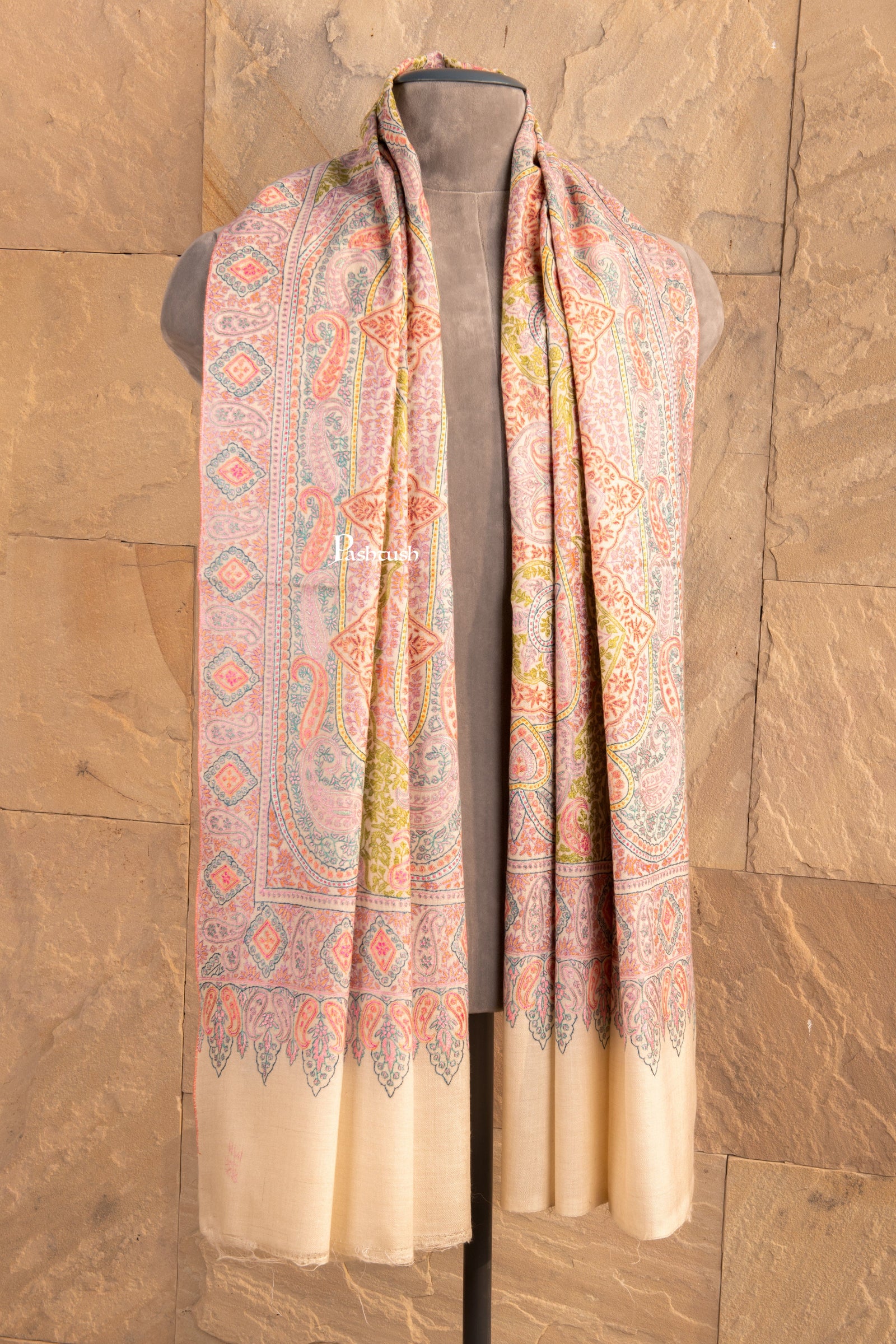
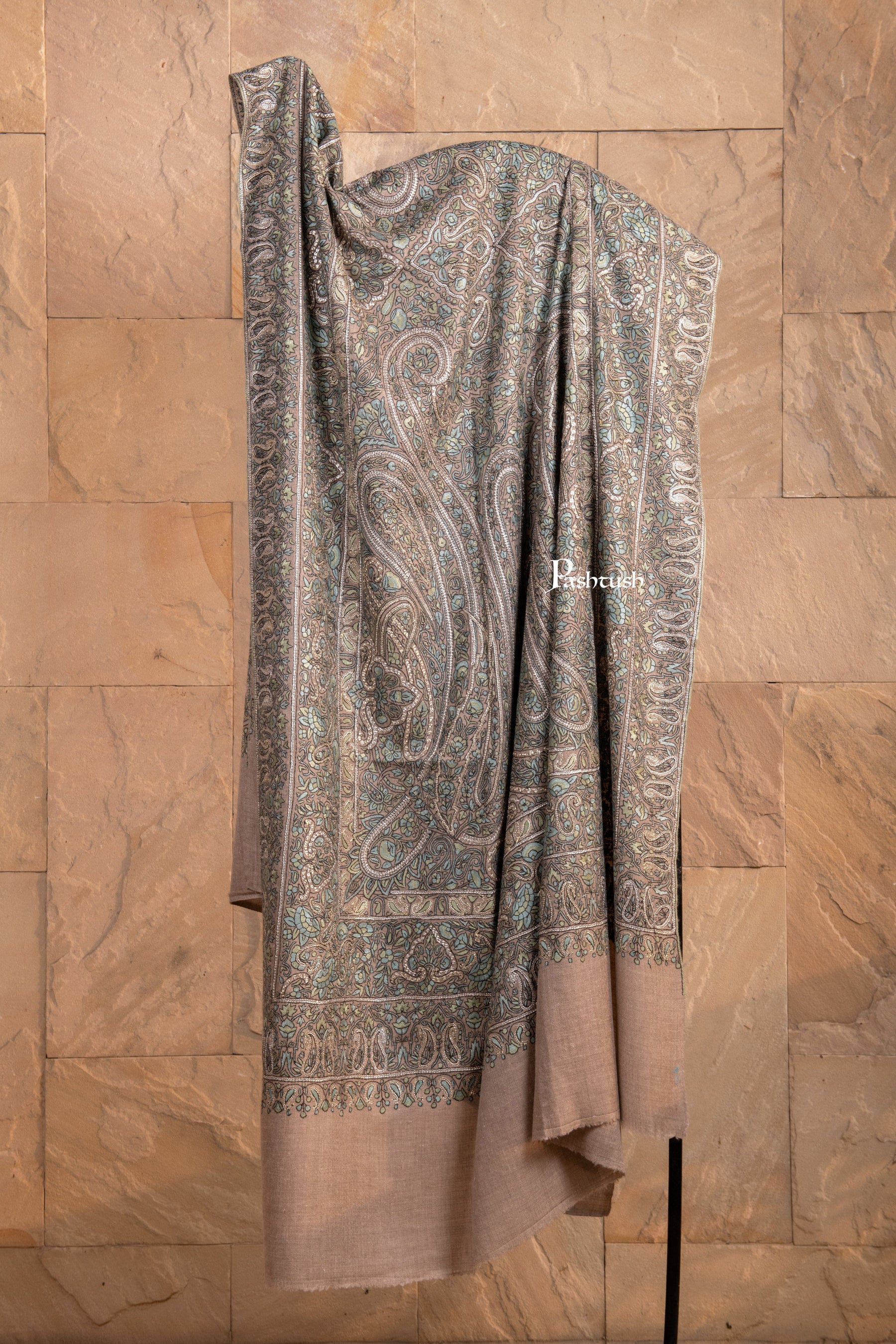
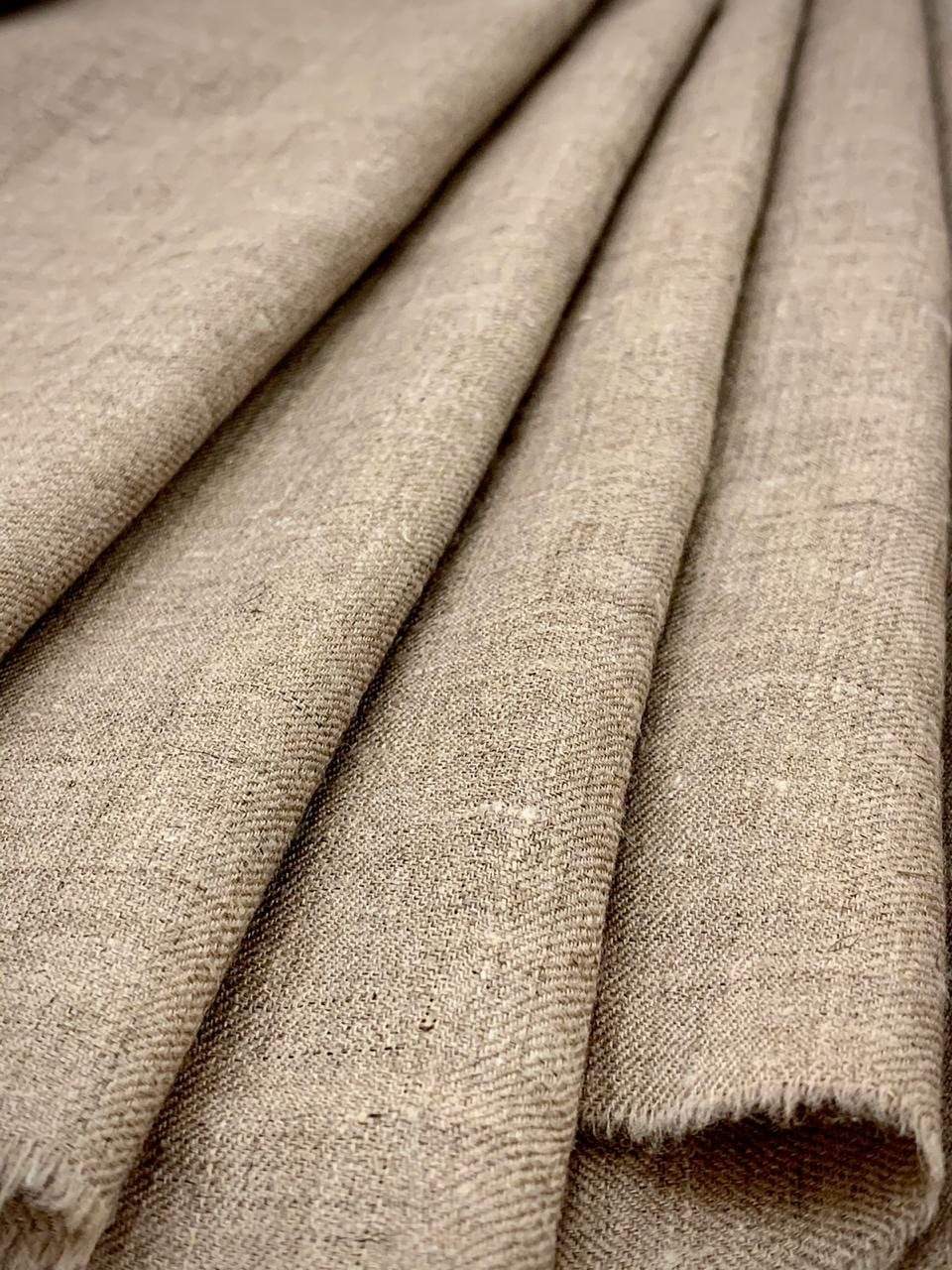
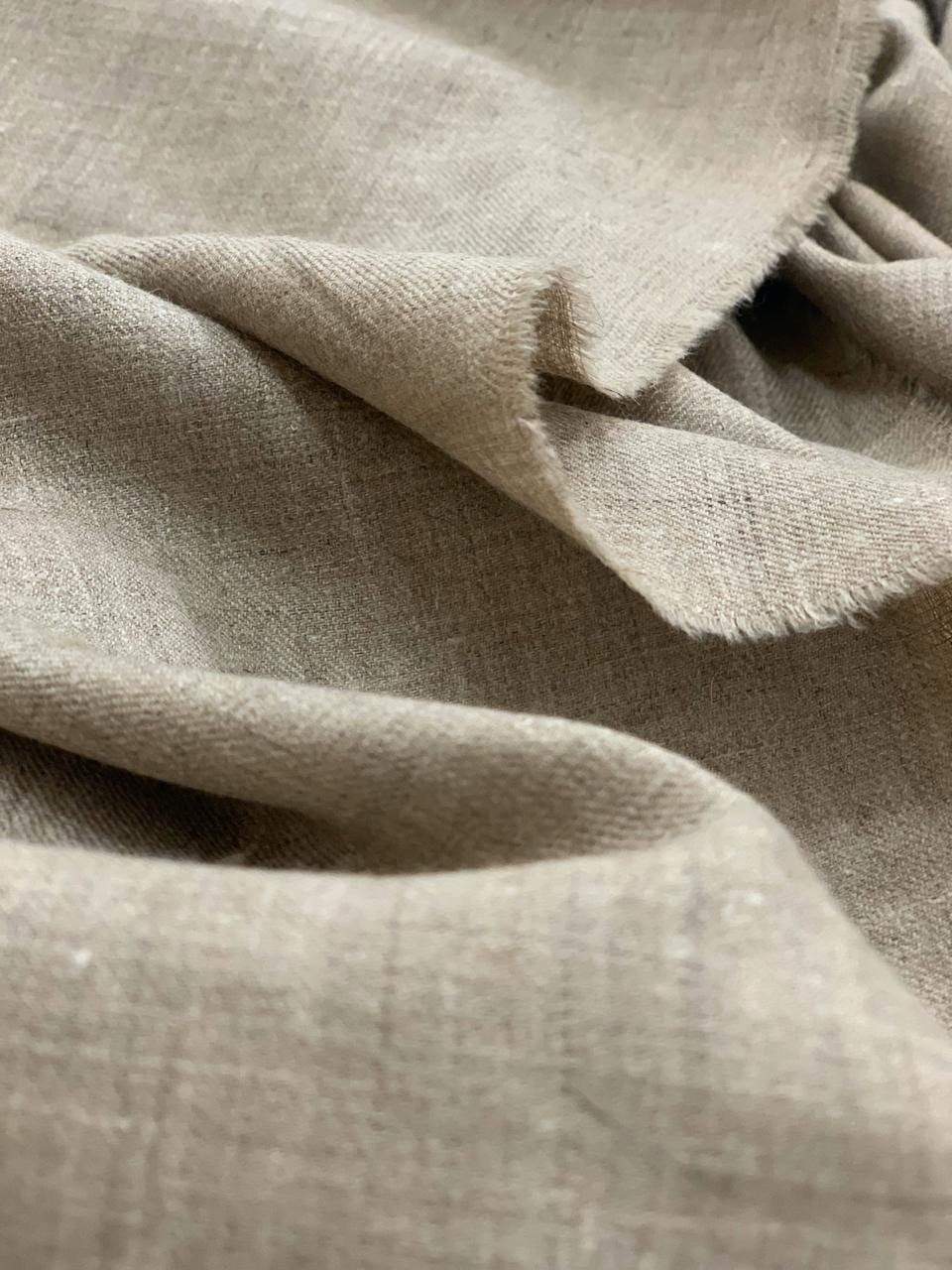
Museums protect history; artisan houses keep it alive. The following visuals are sourced directly from Pashtush product pages (your own site assets), chosen to make the discussion tangible and visually enriching—drape, weave, and surface artistry in generous, immersive scale.
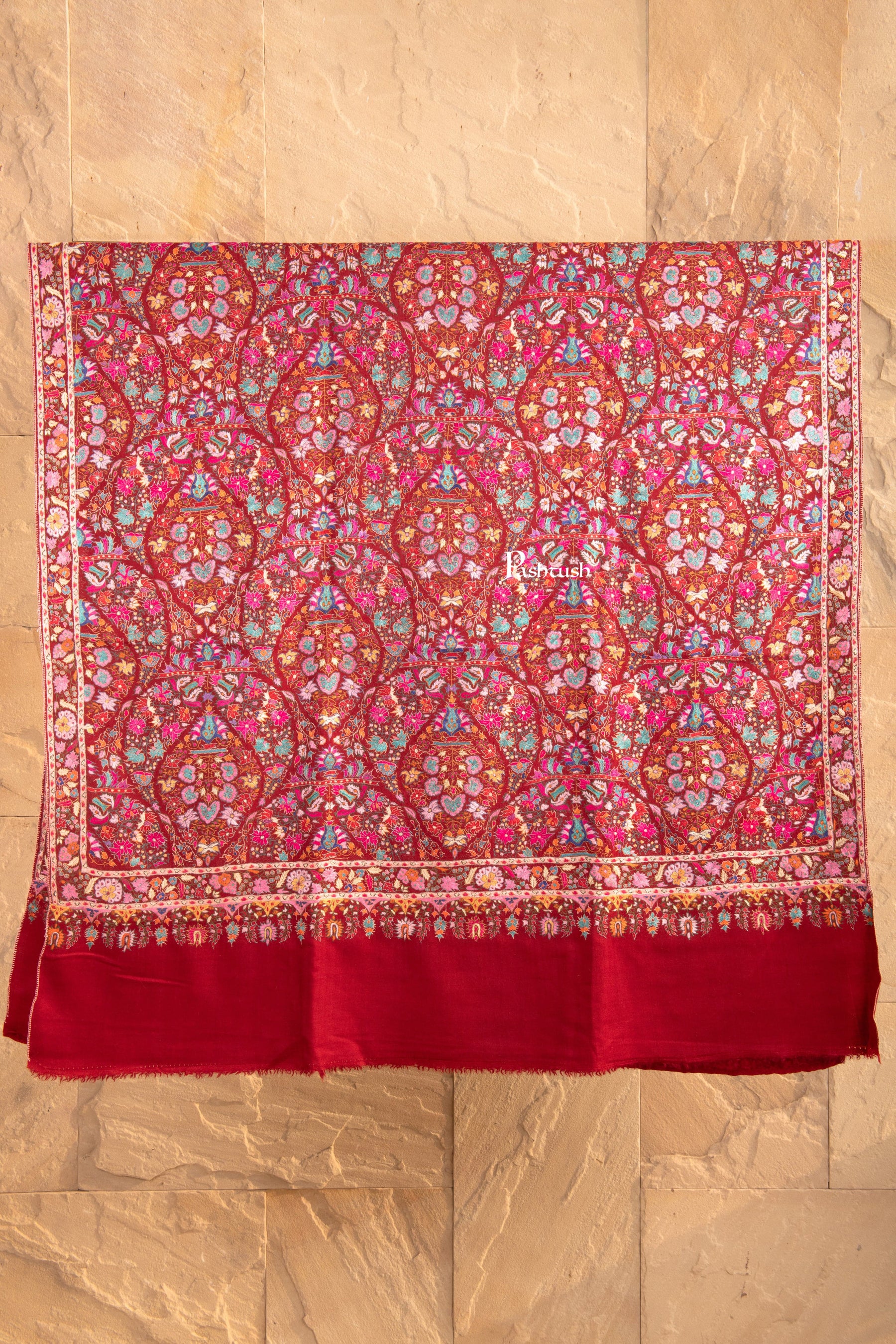
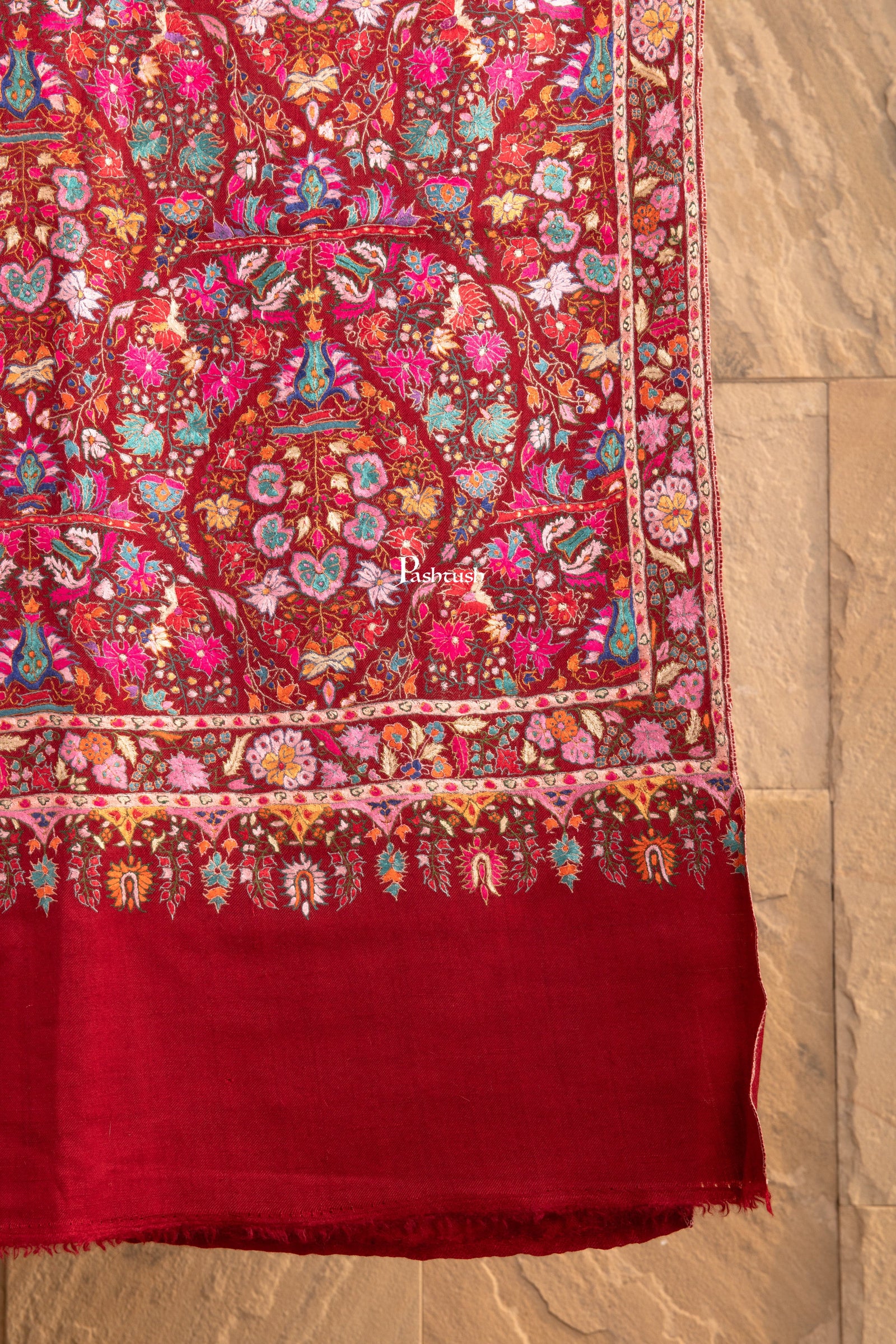
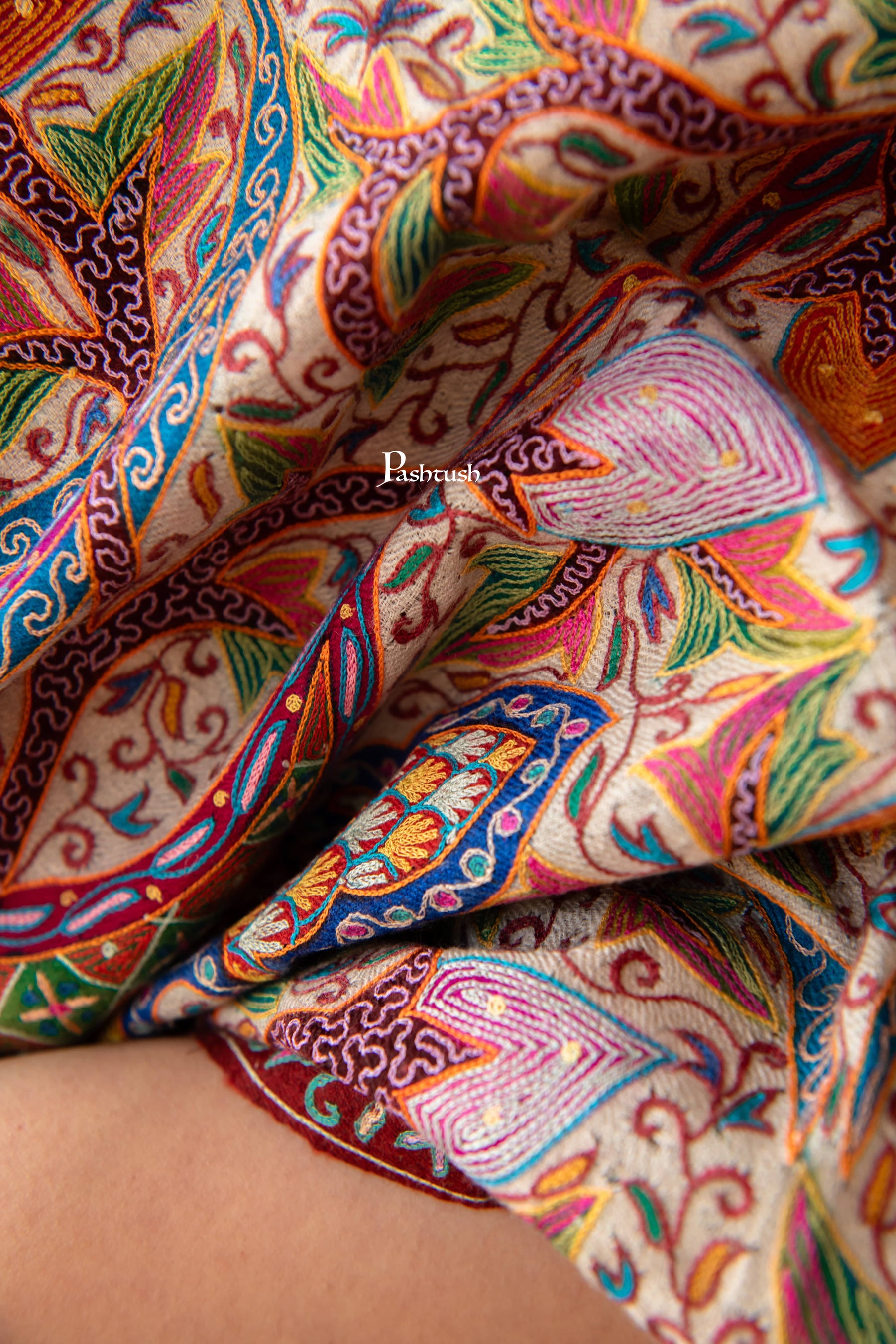
What Makes an Original Pashmina Feel “Different” (Even With Closed Eyes)
The most reliable test is not a slogan—it is sensation. A fine pashmina has a particular kind of softness: not slippery, not overly fuzzy, not “blanket-like.” Instead it is smooth, refined, and warm with surprising lightness. In museum contexts, this tactile refinement is part of what earns textiles a place in collections.
Use the V&A lens as a buyer’s compass:
- Lightness with authority: The best pashmina never feels bulky—yet it drapes with intention.
- Warmth without weight: It insulates quietly, without forcing a heavy silhouette.
- Finish that rewards closeness: The closer you look, the more the textile “makes sense”—in weave, luster, and workmanship.
Why This History Strengthens Modern Buying Confidence
In today’s market, the word “pashmina” is often used loosely. That makes education essential—not as marketing theatre, but as consumer protection. A museum essay like the V&A’s reminds us that textiles have provenance, and that provenance is visible in the object itself.
Once you view pashmina through that lens, the purchase decision shifts. The question becomes less “Is this warm?” and more: Is this a textile I will keep, gift, and remember?
Explore Pure Pashminas at Pashtush: Pure Pashmina Collection
Primary museum reference
V&A Blog — “Perfect partners: Muslin and cashmere”
Sources & Further Reading
- Victoria and Albert Museum — “Perfect partners: Muslin and cashmere”
- Pashtush — Pure Pashmina product pages (linked under each product image)
- Wikimedia Commons — heritage images used for educational context (linked under each image)
Note: Museum/archive visuals are used for educational context and are linked to their original source pages where rights/licensing are stated. Product visuals are sourced from Pashtush product pages.


